-
4 ingredients for business as a force for good
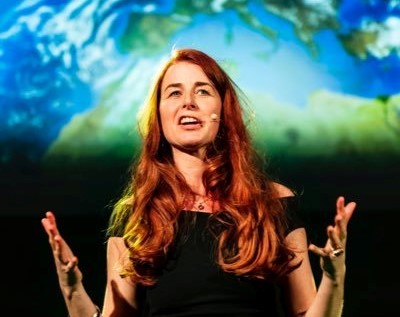
“Degrowth is not the solution I see for a more sustainable future. Instead, I really see the companies of the future as a force for good. Companies exist to create value. Unfortunately, in many cases, this is focused on just one kind of value-creation: financial value for shareholders. This might still be viable in the…
-
Purpose and the art of long term value creation
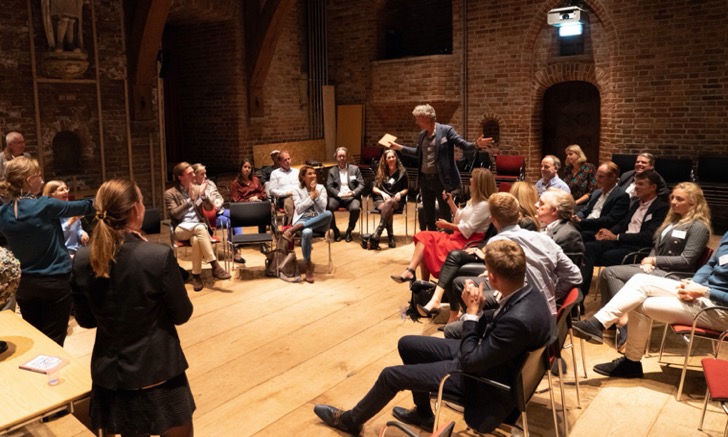
To drive change towards long-term, societal value creation, corporate boards need more creativity and diversity, perhaps even an artist. Many artists are frontrunners in society. They look at the world in a different way and find different ways to express what they see. Their perspectives may challenge us and cause fierce reactions. And that’s exactly…
-
Connection and diversity for long-term value creation and impact
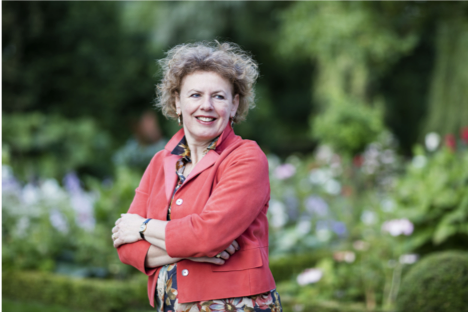
When asked why she serves on supervisory boards, she is quick to answer. Petri Hofste wants to be involved with organizations in a broad strategic way, to have an impact, to make this world slightly better. After a role as supervisor of financial institutions at the Dutch National Bank, serving on supervisory boards was a…
-
Top tips for reading sustainability reports

To mark International Literacy Day, this post is about reading sustainability reports. In 2016, the theme for International Literacy Day actually was “Reading the Past, Writing the Future”. Which is quite similar to a recent blog post about how to transform sustainability reporting to a tool for positive change. But that’s a different story, as…
-
How to transform sustainability reporting to a tool for positive change

Let’s talk about how to transform reporting from a burden into a tool to build a better future. Our earlier posts zoomed in on materiality, but in the end, it’s all about creating that better future. Here’s our take on how to get more out of your reporting efforts. Just in time for the people…
-
Developing roadmaps for reporting – for positive change
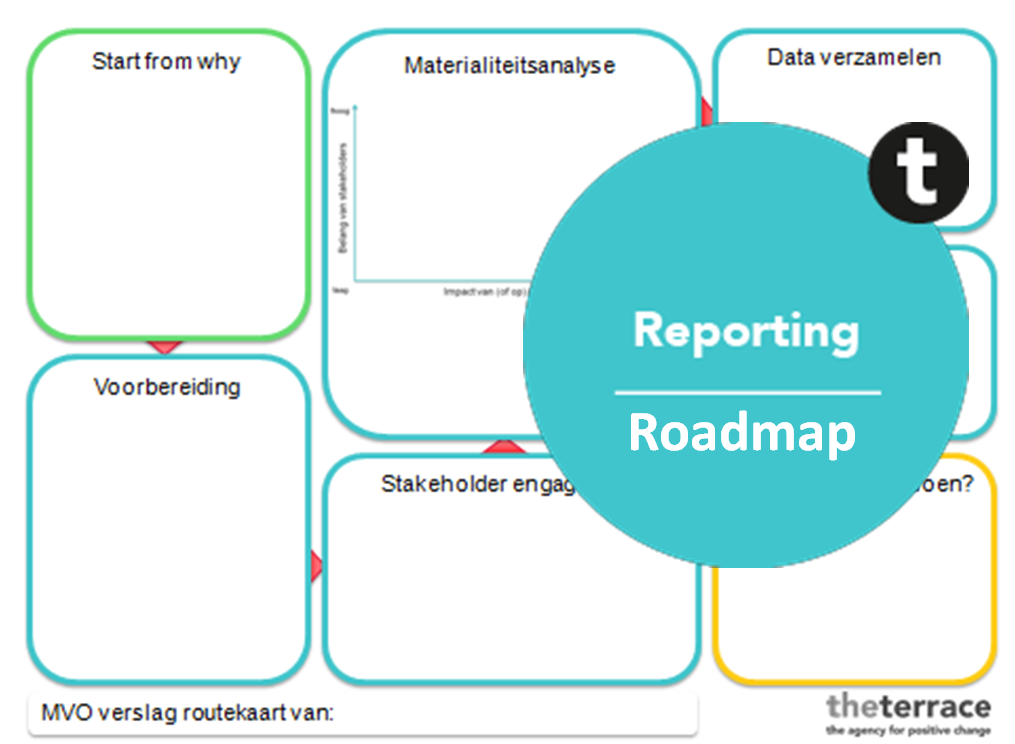
On June 22, 2017, I hosted a workshop on sustainability reporting for companies just starting on their reporting journey and those eager to take their reporting to a higher level. Here are some of the key learnings from the workshop, which took place at The Terrace. Start from why We kicked off the workshop with a…
-
Non-financial reporting: from comply and complain to explore and explain

In the past months, there has been quite some noise about corporate reporting. There’s nothing unusual about that, as many companies publish their annual report in the first months of the calendar year. But this year, there seems to be more discussion about non-financial (or sustainability) reporting. Part of this is caused by the new…
-
Top tips to cut the crap in reporting
In the last decade, transparency and corporate reporting progressed tremendously, allowing society access to performance information that is usually not available in financial reports. Sustainability (or non-financial) reporting enable stakeholders – like investors, regulators, employees, NGOs, communities, partners, etc. – access to information about a company’s social, environmental and economic impacts, directly from the source.…
-
How to avoid the materiality traps

This time of year, the materiality marathon is on. Companies and consultants are on a journey to define what topics should be included in the upcoming sustainability or non-financial report. Materiality analysis can be an extremely useful and strategic exercise, with value far beyond reporting. However, the many definitions and adaptations to the concept can…
-
Have a bath before you open your kimono

Is your company ready to open its kimono? In 2010, South African corporate governance expert Mervyn King made the audience laugh at the GRI conference. “If you’re going to open your kimono, you better have a bath first.” I really like his analogy for sustainability reporting and performance. And for companies with more than 500 employees in the EU,…