-
Driving change at Unilever through the power of purpose and film
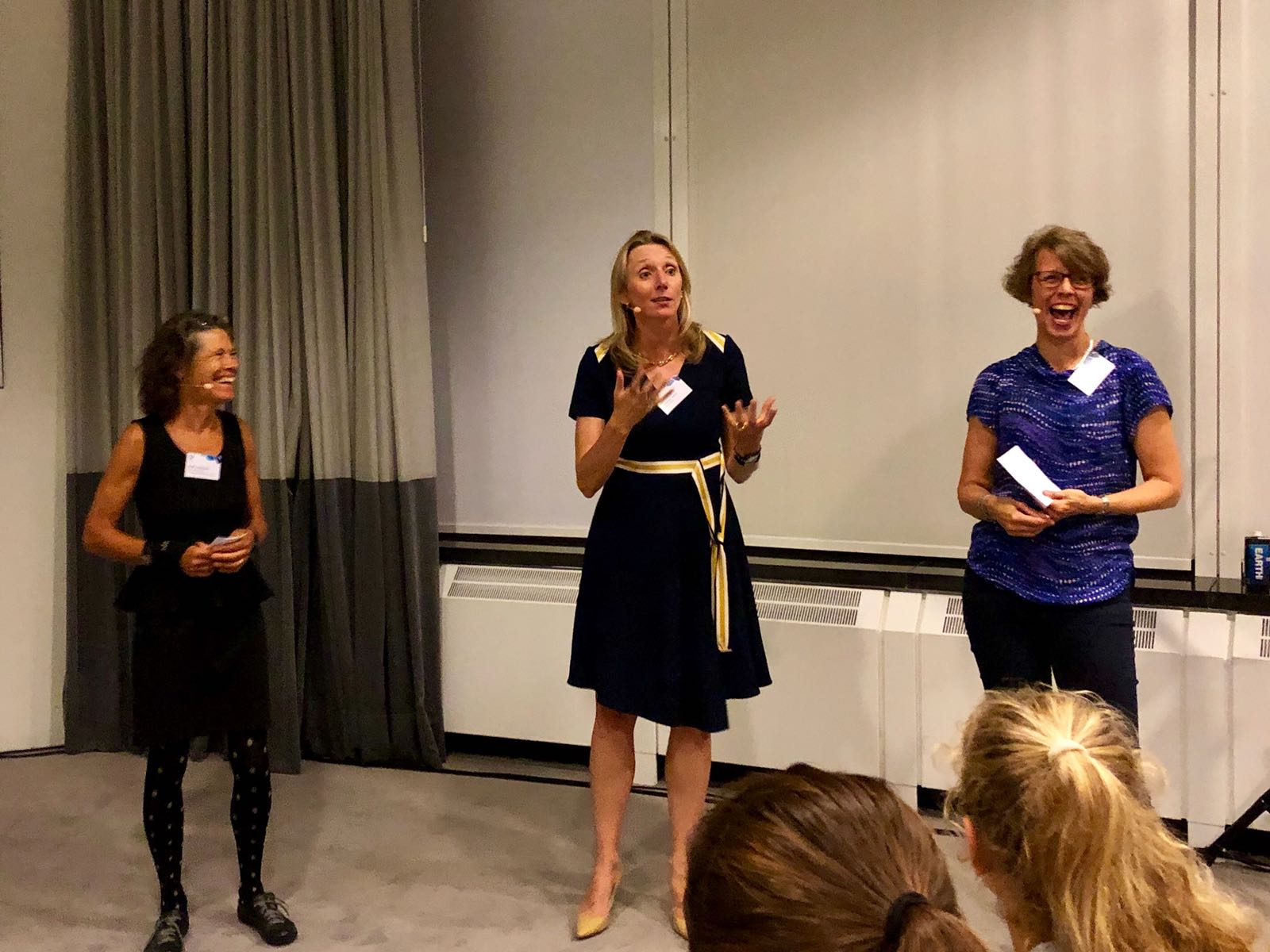
What do Unilever Executive Hanneke Faber and documentary filmmaker Renée Scheltema have in common? For starters, they’re both Dutch women, with a journalism degree from an American university. They both have a strong conviction on how to create a better world. And the two of them met at the Ivy Circle sustainable movie night hosted by…
-
Top tips for reading sustainability reports

To mark International Literacy Day, this post is about reading sustainability reports. In 2016, the theme for International Literacy Day actually was “Reading the Past, Writing the Future”. Which is quite similar to a recent blog post about how to transform sustainability reporting to a tool for positive change. But that’s a different story, as…
-
How to transform sustainability reporting to a tool for positive change

Let’s talk about how to transform reporting from a burden into a tool to build a better future. Our earlier posts zoomed in on materiality, but in the end, it’s all about creating that better future. Here’s our take on how to get more out of your reporting efforts. Just in time for the people…
-
Developing roadmaps for reporting – for positive change
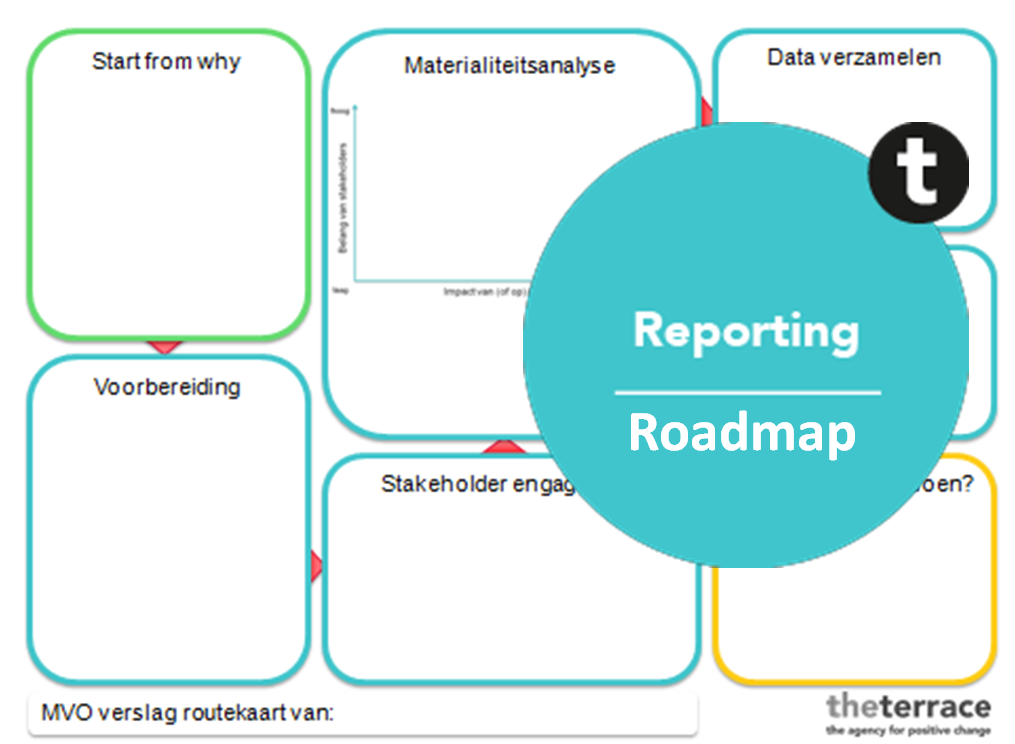
On June 22, 2017, I hosted a workshop on sustainability reporting for companies just starting on their reporting journey and those eager to take their reporting to a higher level. Here are some of the key learnings from the workshop, which took place at The Terrace. Start from why We kicked off the workshop with a…
-
Navigating the sustainability manager’s roles
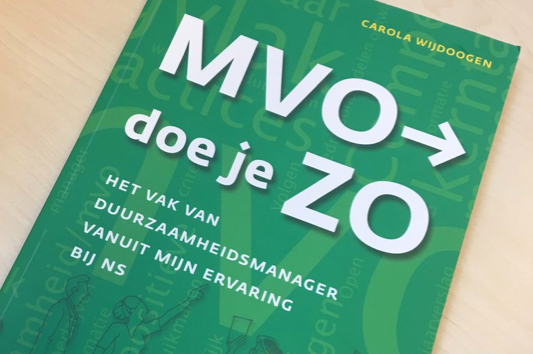
In November 2016, I attended the book launch for “MVO doe je zo”“, which roughly translates into “How to get far with CSR” in English. It is written by Carola Wijdoogen, Director of Sustainable Business at the Dutch Railways. After years of roles in procurement and innovation, she was asked to create this new role.…
-
Top tips to cut the crap in reporting

In the last decade, transparency and corporate reporting progressed tremendously, allowing society access to performance information that is usually not available in financial reports. Sustainability (or non-financial) reporting enable stakeholders – like investors, regulators, employees, NGOs, communities, partners, etc. – access to information about a company’s social, environmental and economic impacts, directly from the source.…
-
Have a bath before you open your kimono

Is your company ready to open its kimono? In 2010, South African corporate governance expert Mervyn King made the audience laugh at the GRI conference. “If you’re going to open your kimono, you better have a bath first.” I really like his analogy for sustainability reporting and performance. And for companies with more than 500 employees in the EU,…
-
Materiality: the pain of choices

In search of the right topics to include in their sustainability or integrated report, many companies use the materiality principle. The Global Reporting Initiative placed more emphasis on materiality when it last updated its sustainability reporting guidelines. Dutch sustainability magazine P Plus, recently interviewed me about transparency and materiality. Here’s a summarized translation of the Dutch article. Materiality…
-
Reinventing organizations for purpose
Early July, I had the opportunity to be part of a group of trainers for a full day workshop at Nyenrode Business University. The focus of the day was on so-called teal organizations and new ways of working, inspired by the book “Reinventing Organizations” by Frederic Laloux. The focus of my contribution to the workshop…
-
No one wakes up to destroy the world

Meet Adrie Heinsbroek, Senior Sustainability Advisor at ING. He is a true believer in the power of people. “No one wakes up to make the world a worse place”, he says, “but we can all get stuck in systems that don’t help to make the world any better.” Here he shares his belief in the…